Unleashing Street Art Energy: The Kissi Font
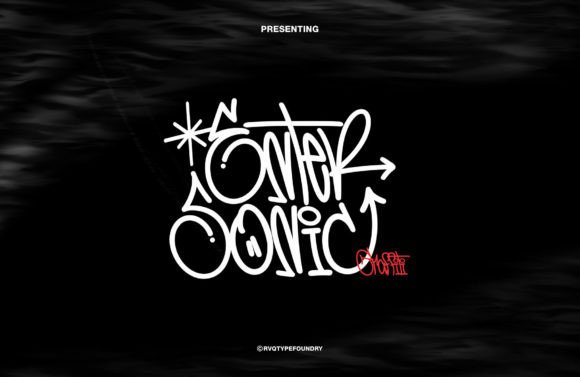
If you are hunting for a typeface that doesn't just whisper but shouts with raw, unfiltered energy, you need to look at Kissi. In the crowded world of typography, finding a display font that genuinely captures the essence of street art without looking messy is a challenge. Kissi, however, nails it. It is a graffiti-style typeface that brings an impressive urban vibe to any canvas, digital or physical. It isn't just a collection of letters; it is a statement piece. For designers, entrepreneurs, and content creators, Kissi offers a way to bypass the polite, corporate aesthetic and tap into something grittier, cooler, and infinitely more attention-grabbing.
The Visual Personality of Kissi
When you first encounter Kissi, you immediately notice its bold character structure. It doesn't follow the rigid grid systems of traditional serif or sans serif fonts. Instead, it mimics the fluid, aggressive strokes of a spray can or a thick marker. The letterforms in Kissi feature uneven edges, sharp angles, and a sense of movement that feels kinetic. It is a premium font that feels handcrafted, avoiding the sterile perfection of vectorized geometry. This typeface is designed to look like it was created in the moment, capturing the spontaneity of street art.
The overall appeal of Kissi lies in its versatility within the "cool" aesthetic. It bridges the gap between modern typography and raw artistic expression. While some script fonts can feel too elegant or formal, and standard display fonts can feel too rigid, Kissi occupies a sweet spot. It feels rebellious yet controlled. This balance makes it a powerful tool for anyone looking to inject personality into their work. It is the kind of creative font that makes a viewer stop scrolling because it looks different from the standard corporate typefaces that dominate the landscape.
Where Kissi Truly Shines
Understanding where a font like Kissi fits into your workflow is key to maximizing its potential. Because it is a display font, it is not designed for long blocks of body text. You wouldn't set a 500-word blog post in Kissi. However, for headlines, logos, and short bursts of text, it is incredibly effective. Here are some practical applications where Kissi elevates the design:
- Apparel and Merchandise: This is perhaps the most natural home for Kissi. It is perfect for t-shirts, hoodies, and sportswear. The graffiti style resonates deeply with streetwear culture. If you are running a print-on-demand business or a clothing brand, using Kissi for your main graphics can instantly define your brand's edge.
- Logo Design and Branding: For brands targeting a younger demographic or those in the music, skate, or urban lifestyle sectors, Kissi is a strong candidate for logo design. It creates instant brand recognition because it is so visually distinct. It tells the audience immediately that the brand is energetic, modern, and perhaps a little rebellious.
- Digital Marketing and Social Media: In the fast-paced world of social media graphics, grabbing attention is the only metric that matters initially. Kissi is excellent for YouTube thumbnails, Instagram stories, and event posters. Its high contrast and irregular shapes cut through the noise of a busy feed.
- Packaging Design: If you are launching a product that needs to stand out on a shelf—like energy drinks, snacks, or streetwear accessories—Kissi can add a layer of cool to your packaging design. It suggests that the product inside is exciting and fresh.
Strategic Implementation: How Kissi Influences Perception
Choosing a font is rarely just about aesthetics; it is about psychology. The typeface you select dictates how your audience perceives your message. When you use Kissi, you are borrowing the cultural associations of street art: authenticity, rebellion, creativity, and youth. This is a strategic move for brand identity.
For example, if you are a tech startup trying to look "disruptive," using a standard sans serif font might make you look safe and corporate. Using Kissi, however, suggests that you are breaking the rules. In editorial design, using Kissi for pull quotes or section headers can transform a mundane article into something that feels edgy and relevant. It changes the visual hierarchy of the page, guiding the reader's eye to the most important, most energetic parts of the content.
Pairing Kissi with Other Typefaces
One of the most common mistakes with creative fonts is pairing them with the wrong partner. Kissi is loud. It demands attention. Therefore, it needs a quieter partner to balance it out. You should avoid pairing it with other ornate script fonts or overly decorative typefaces, as this will create visual chaos.
Instead, look for a clean, geometric sans serif font for your body text. Think of fonts like Montserrat, Roboto, or Open Sans. These neutral backgrounds allow Kissi to pop without overwhelming the reader. This contrast is essential for readability. The font pairing strategy here is simple: Kissi provides the personality, and the sans serif provides the clarity. This combination ensures your visual hierarchy is clear—eyes are drawn to the headline, and then comfortably settle into the body copy.
Practical Guidance for Using Kissi
Before you integrate Kissi into your next project, there are a few technical and practical considerations to keep in mind to ensure a professional result.
- Evaluate the Context: Ask yourself if the project calls for a street art vibe. Kissi is a cool font, but it might not be appropriate for a law firm's annual report or a luxury wedding invitation. It works best for brands that want to feel approachable, energetic, and urban.
- Check the Glyphs: A good premium font usually comes with extra features. Check if Kissi includes alternate characters, ligatures, or multilingual support. These extras allow you to customize the text so it doesn't look generic. Swapping out a standard letter for an alternate can make your logo feel truly unique.
- Size Matters: Because Kissi has a lot of texture and detail, it needs to be used at a larger size. If you shrink it down too small, the details will muddy together, and the readability will drop significantly. Keep it big, keep it bold.
- Licensing: Always ensure you are using a commercial font with the correct license. If you are using Kissi for a client's logo or on merchandise you intend to sell, you need a license that covers commercial use. This protects you legally and supports the type designers who created the asset.
Ultimately, Kissi is more than just a typeface; it is a design asset that brings a specific mood to the table. It is for the designer who wants to break away from the sterile, minimalist trends and embrace something with a bit more soul. Whether you are designing a logo for a new clothing line, creating social media graphics for a music festival, or laying out a magazine spread with an urban focus, Kissi provides the visual punch you need. It is a tool for capturing the raw, unpolished energy of the street and channeling it into professional, high-impact design.