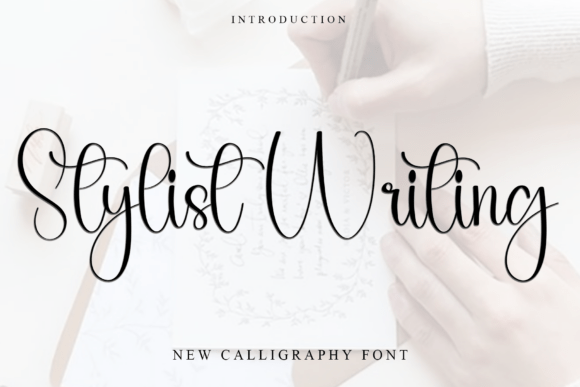
Stylist Writing: The Festive Typeface for Holiday Designs
More Than Just a Font: Capturing Holiday Spirit
When December rolls around, the visual language shifts. We move away from the stark minimalism of mid-century modern and embrace something warmer, more personal, and inherently joyful. This is where a typeface like Stylist Writing finds its true calling. It’s not merely a collection of letters; it’s a design asset built to evoke the specific emotion of the festive season. As a premium font, it understands the assignment: to look like it was written with a flourish, perhaps with a glass of mulled wine in hand.
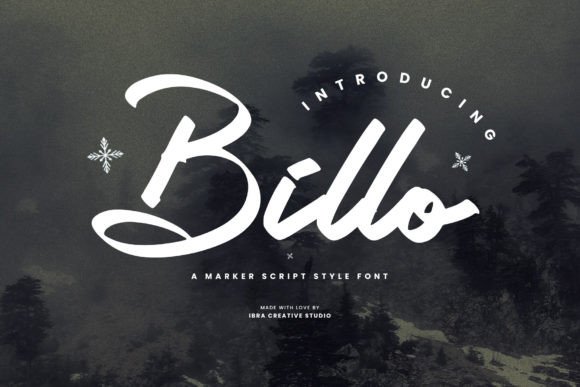
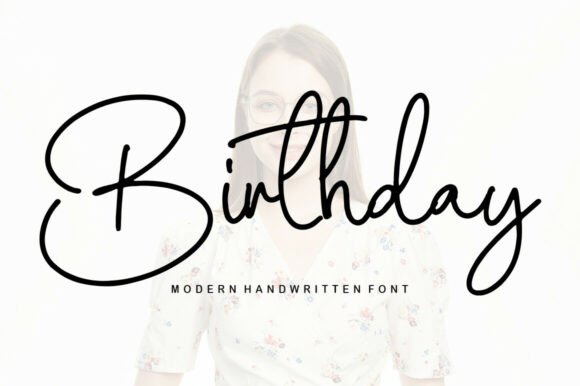
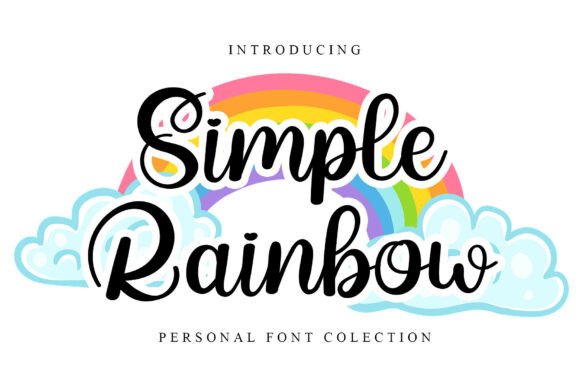
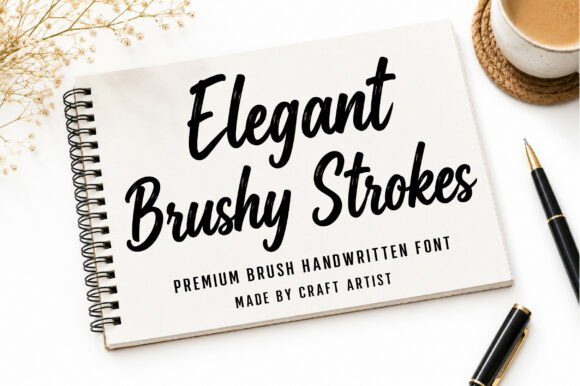
Visually, Stylist Writing operates in the realm of the script font and handwritten font categories, but it possesses a distinct personality. It avoids the rigid uniformity of a standard serif font or the cold efficiency of a sans serif font. Instead, it offers a rhythmic, flowing baseline with decorative swashes and ligatures that mimic the natural movement of a hand holding a pen. The letterforms often feature a slight bounce and varying stroke widths, creating a texture that feels organic rather than digitized. This is the kind of creative font that immediately signals "celebration" without you having to add a single snowflake illustration to the layout.
Practical Applications: Where to Use This Festive Typeface
Understanding the visual charm of Stylist Writing is one thing; knowing exactly where to deploy it is the key to professional design. This isn't a typeface for body text or technical manuals. It is a display font, designed to be the star of the show in short bursts.
Greeting Cards and Gift Tags: This is the font's natural habitat. In editorial design for holiday cards, the typography often carries the entire design. Stylist Writing allows you to create a focal point that feels bespoke and handcrafted. For gift tags, where space is limited, the legibility of the swashes ensures that names remain readable while maintaining that festive flair.
Packaging Design and Small Business Branding: For entrepreneurs and small business owners, the holiday season is critical. If you are selling artisanal goods, baked treats, or handmade crafts, your packaging design needs to reflect the care you put into the product. Using Stylist Writing on labels or boxes instantly elevates the product from "homemade" to "boutique." It helps build a brand identity that feels warm and approachable, which is a massive asset during the gifting season.
Digital Spaces and Social Media Graphics: The utility of this typeface extends well beyond print. In web design, it can be used sparingly for hero banners during December promotions or holiday sale announcements. For social media graphics, where you have mere seconds to stop a user from scrolling, a bold, festive headline in Stylist Writing can capture attention effectively. It communicates the theme immediately, increasing audience engagement by setting the right mood before the user even reads the caption.
The Mechanics of Pairing and Readability
One of the most common mistakes in modern typography is overusing a decorative typeface. Because Stylist Writing has such a strong personality, it requires a grounding partner. This is where font pairing becomes essential. To maintain visual hierarchy and readability, you should pair this script font with a neutral, clean typeface.
A geometric sans serif font often works best as a counterbalance. The clean lines of the sans serif will not compete with the ornate nature of the script, allowing the viewer's eye to rest between reading the headline and the subtext. Alternatively, a classic serif font can work if you are aiming for a more traditional, nostalgic aesthetic, but be careful that the serifs don't clash with the loops of the script.
Readability is a specific concern with any handwritten font. While Stylist Writing is designed for clarity, the decorative ligatures can sometimes obscure letters if the text size is too small. As a rule of thumb for logo design or headers, ensure there is enough tracking (letter spacing) to let the characters breathe. If the font is used for a short tagline, test it at the actual size it will be displayed to ensure the "i" dots and crossbars remain distinct.
Leveraging Technical Features for Professional Results
A significant advantage of using a premium font like Stylist Writing is the technical engineering behind it. The prompt notes that it is PUA (Private Use Areas) encoded. For the non-technical designer, this is a massive quality-of-life feature. It means that all those beautiful alternate characters, swashes, and ligatures are easily accessible, even in software that doesn't natively support advanced OpenType features.
When working on a project, take the time to explore the glyph panel. Swapping out a standard "t" or "h" for an alternate version can change the entire flow of a word. This level of customization is what separates generic design from professional typography. It allows you to tailor the font to fit the specific space you are working with, ensuring that the capital letters connect smoothly with the lowercase letters.
Commercial Use and Licensing Considerations
Finally, for content creators, marketers, and publishers, the practical aspect of licensing cannot be ignored. Because Stylist Writing is a commercial font, it comes with the assurance that you can use it for client work, merchandise, and digital products without legal ambiguity. This is crucial for building a sustainable brand identity.
When you download this typeface, you aren't just getting a file; you are acquiring a design asset that adds value to your work. Whether you are designing a Christmas menu, a holiday newsletter, or a winter campaign, having a reliable, festive script in your toolkit saves time and elevates the final output. It allows you to tap into the nostalgia and warmth of the season, ensuring your designs resonate with your audience on an emotional level.