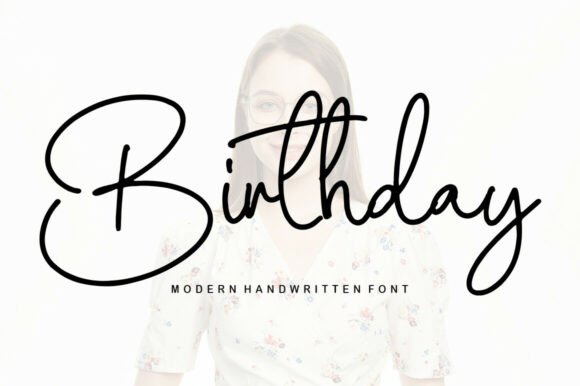
Birthday: A Sweet Handwritten Font for Joyful Designs
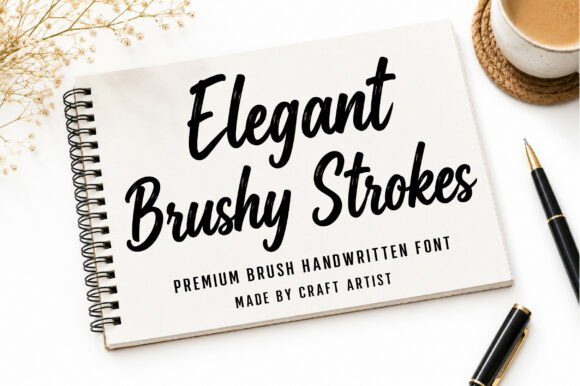
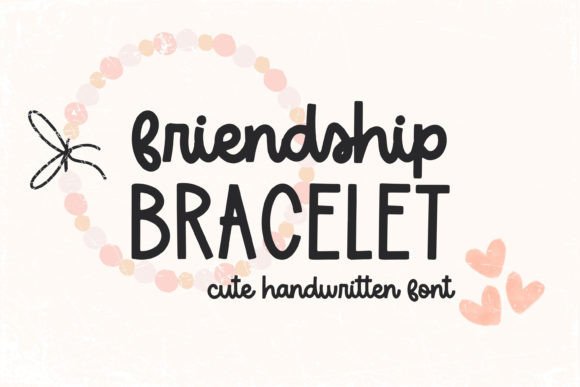
Finding the right typeface for a project is often about capturing a specific emotion. When the goal is to evoke warmth, celebration, or a personal touch, a standard corporate sans serif font simply won't do. This is where the Birthday font enters the conversation. It is a sweet, handwritten font that brings an immediate sense of friendliness and approachability to any design. Unlike rigid digital typefaces, Birthday mimics the organic flow of a person writing with a marker or a fine-tipped pen, offering a casual elegance that feels genuine.
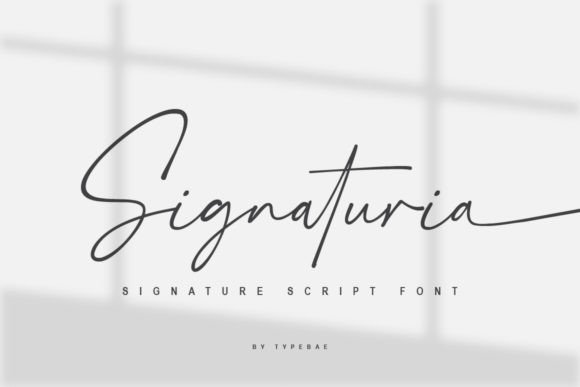
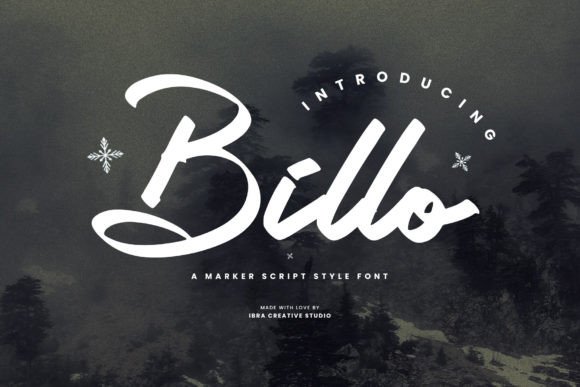
The visual characteristics of Birthday are defined by its fluid letterforms and gentle curves. It avoids the jagged edges often found in rougher grunge fonts, opting instead for a smooth, legible script. The letters connect in a way that feels natural, yet the spacing is carefully calibrated to maintain clarity even at smaller sizes. This script font strikes a delicate balance between being decorative and functional. It possesses a modern typography sensibility, avoiding the overly flourished loops of traditional calligraphy while retaining a distinct personality. The overall appeal lies in its versatility; it can look playful and youthful or sophisticated and intimate, depending on the context and color palette used.
Practical Applications: From Wedding Invitations to Brand Identity
While many designers immediately associate Birthday with event stationery, its utility extends far beyond the envelope. Because it is a creative font, it serves as an excellent choice for wedding invitations, greeting cards, and party flyers. However, the real power of this premium font is unlocked when applied to commercial branding. For small business owners, particularly in the lifestyle, beauty, or artisanal food sectors, Birthday can be the cornerstone of a brand identity that needs to feel human. It works exceptionally well for bakery logos, boutique clothing tags, or the masthead of a personal blog.
In the realm of packaging design, a handwritten font like this signals "handmade" and "craft" without the customer needing to read a single word. It creates an instant psychological connection. For editorial design, Birthday can be used for pull quotes or section headers in magazines to break the monotony of dense body text. Social media graphics also benefit significantly from this typeface. In a sea of generic Arial or Times New Roman overlays on Instagram stories, the organic shapes of Birthday help stop the scroll, making announcements or quotes feel more personal and less corporate. It is a versatile design asset that adapts to both digital and print environments, ensuring your message retains its emotional weight across platforms.
Mastering Visual Hierarchy and Readability
Using a display font like Birthday effectively requires an understanding of visual hierarchy. Because it is a display font, it is best utilized for headlines, sub-headers, or short bursts of text. Attempting to use it for long paragraphs of body copy would likely result in eye strain for the reader. The strength of Birthday lies in its ability to draw attention and set a mood, but it relies on supporting typefaces to do the heavy lifting of information delivery.
When pairing Birthday with other fonts, contrast is key. A classic design strategy involves pairing this script font with a clean sans serif font or a simple serif font. For example, using Birthday for the main title of a website header and a geometric sans serif for the navigation menu creates a balanced, professional look. This font pairing ensures that the personality of the handwritten element does not overwhelm the interface. Furthermore, contrast helps with readability; the organic shapes of Birthday are easier to decipher when surrounded by the structured geometry of a sans serif. This approach maintains the fun touch of the handwritten style while ensuring the design remains accessible and professional.
Evaluating Fit and Commercial Licensing
Before integrating Birthday into a project, it is wise to evaluate the specific requirements of the medium. For web design, ensure that the font renders well on various screen resolutions; handwritten fonts can sometimes lose detail on low-DPI screens. Test the font in different weights if available. Some premium versions of Birthday may come with alternative glyphs or stylistic sets that allow you to customize the look of specific letters, adding a layer of authenticity to the design.
For entrepreneurs and designers, the legal aspect of using a commercial font is just as critical as the aesthetic one. If you are using Birthday for a client's logo design, merchandise, or a high-traffic website, you must verify the licensing. Most premium fonts require a specific license for commercial use, which may vary based on the number of users or the number of prints. Always check the End User License Agreement (EULA). Using a licensed font protects the business from legal complications and supports the type designers who create these valuable tools. By respecting the licensing terms, you ensure that your brand identity is built on a solid, professional foundation.