Cute Wave: The Serif Font with a Retro, Whimsical Soul
In a design landscape saturated with clean, minimalist sans serif fonts, there's a growing hunger for typefaces with genuine personality—fonts that tell a story before a single word is read. Cute Wave answers that call, offering a unique blend of retro charm, vintage warmth, and childlike whimsy. It’s not just a serif font; it’s a vibe, a feeling, and a versatile tool for creators looking to inject their projects with character and nostalgia. If you're a designer, brand strategist, or creative hobbyist searching for a typeface that feels both familiar and refreshingly original, understanding Cute Wave is your first step toward a more engaging visual narrative.
Anatomy of Allure: What Makes Cute Wave Unique?
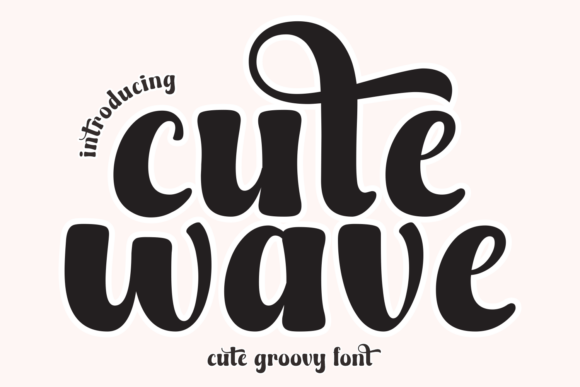
At first glance, Cute Wave feels like a happy memory. Its design DNA is a fascinating cocktail of influences. The sturdy, proud serif structure grounds it in tradition and readability, but the execution is anything but stiff. Soft, rounded terminals and a gentle, undulating baseline give it a playful, almost hand-lettered quality. This isn't the sharp, authoritative serif of a law firm; it’s the friendly, approachable serif of a beloved school teacher or a cherished storybook.
The font’s personality is a direct product of its stylistic fusion:
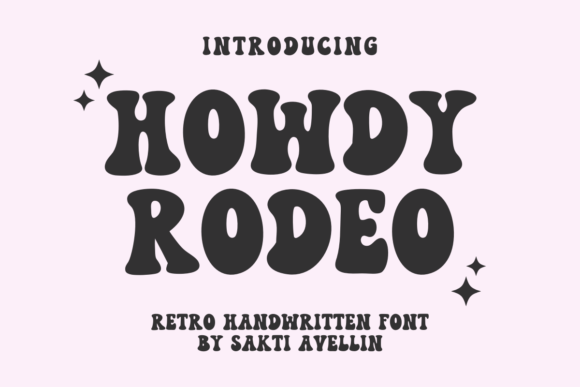
- Retro & Vintage Appeal: It channels the optimistic, groovy aesthetics of the 1960s and 70s. You can almost see it on a vintage lunchbox or a psychedelic concert poster, but with a modern, polished finish.
- Bohemian & Hippie Spirit: There’s a free-spirited, artistic quality to its curves. It avoids being overly rigid, embracing a bit of organic flow that feels perfect for boho chic branding or farmhouse decor projects.
- Childlike Whimsy & Nostalgia: The subtle, lovable quirks in its letterforms—perhaps a slightly uneven "o" or a playful flick on a "k"—evoke the innocence of back-to-school supplies and the joy of children's books. This isn't infantile; it's warmly nostalgic.
This unique blend makes Cute Wave a standout premium font. It carries the weight and structure of a traditional serif but delivers the emotional punch and approachability often associated with handwritten or script fonts. It’s this duality that gives it such broad appeal and utility.
Putting Cute Wave to Work: Practical Applications
The true test of any creative font is its performance in the wild. Cute Wave shines across a surprising range of applications, thanks to its balanced personality. It’s a display font at heart, meaning it excels in headlines, logos, and other prominent text where its details can be fully appreciated.
Branding & Logo Design: For brands targeting a family-friendly, artisanal, or nostalgic audience, Cute Wave is a goldmine. Imagine it on the logo for a local bakery, a children's educational app, a boutique stationery shop, or an indie craft brewery. It instantly communicates warmth, creativity, and a touch of retro cool, helping to build a strong, recognizable brand identity.
Publishing & Editorial Design: In editorial design, it’s perfect for chapter titles in a whimsical novel, cover text for a cookbook, or headers in a lifestyle magazine. For self-publishers of children's books, it offers a professional yet friendly alternative to standard cartoon fonts. It can also add a unique touch to packaging design, especially for products like artisanal jams, organic snacks, or handmade soaps.
Digital & Social Media: On web design and social media graphics, Cute Wave stops the scroll. Use it for Instagram post headers, Pinterest pin titles, YouTube thumbnails, or email newsletter banners. Its high-contrast, bold display style ensures readability even at smaller sizes on mobile screens, making it a practical choice for digital creators.
Crafting & Personal Projects: This is where Cute Wave truly comes alive for hobbyists. It’s a dream for Cricut crafting—perfect for cutting out vinyl quotes for mugs, tote bags, or wall art. Its clear, bold shapes cut cleanly. It’s also ideal for designing a personalized summer planner, holiday cards, scrapbook elements, or party invitations. The font’s inherent "fun factor" makes crafting more enjoyable.
Strategic Use: Pairing, Readability, and Licensing
Using a display font like Cute Wave effectively requires a bit of strategy. Its strength is in headlines and short bursts of text. For body copy, you’ll want a complementary partner.
Font Pairing is Key: The best approach is to pair Cute Wave with a clean, simple sans serif font or a neutral serif. This creates a clear visual hierarchy. For example:
- Cute Wave (Headline) paired with Lato or Open Sans (Body) creates a modern, approachable look for a blog or website.
- Cute Wave (Logo) paired with Arial or Helvetica (Tagline) keeps the brand mark clean and legible.
- Cute Wave (Chapter Title) paired with Garamond or Georgia (Book Text) maintains readability in long-form print.
Readability Considerations: Always test the font at the size and in the context where it will be used. Its charming details are a strength in a large headline but could become noisy in a 10-point paragraph. Ensure sufficient contrast between the text and background color. For web design, check its rendering across different browsers and devices.
Licensing for Commercial Use: As a premium font, Cute Wave comes with a commercial license. This is crucial for entrepreneurs and businesses. Before using it in a logo for a client, on products for sale, or in marketing materials, confirm the license covers your intended use. Most reputable font foundries offer clear licensing tiers for personal, commercial, and extended use, protecting both the designer and your business.
In the end, Cute Wave is more than just another typeface in your design assets folder. It’s a mood-setter, a story-starter, and a bridge between the playful past and the modern present. By understanding its personality and applying it thoughtfully, you can harness its unique charm to create designs that are not only seen but felt, leaving a lasting, positive impression on your audience.