Canesa: The Elegant Serif for Modern Branding
When you're building a visual identity, the choice of typography feels like a pivotal moment. It’s the voice of your brand before a single word is read. You need a typeface that speaks with clarity, confidence, and a touch of character. This is where Canesa, a premium serif font, enters the conversation. It’s not just another elegant serif; it’s a design asset built for the nuanced demands of contemporary projects. With its balanced proportions and delicate detailing, Canesa offers a solution that is both refined and remarkably versatile.
The Anatomy of a Classy Typeface
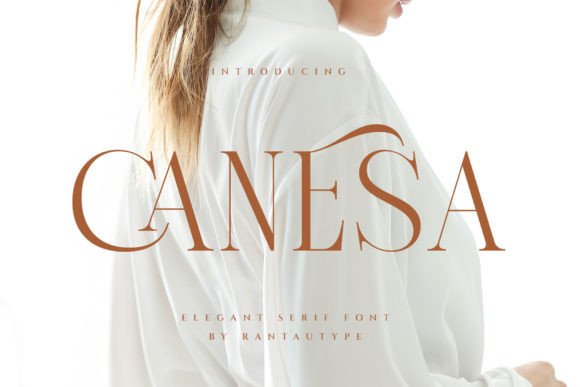
At its core, Canesa is a study in balance. The designer’s brief was clear: create a serif that feels sophisticated without being fragile, and classic without feeling dated. The result is a font that sits in a sweet spot. The stroke weight is carefully calibrated—not too thin that it disappears on screen, and not too thick that it overwhelms a layout. This makes it a highly readable choice for both body text and headlines, a rare quality in many display fonts.
The personality of Canesa is one of quiet confidence. The letterforms feature gentle, refined serifs and subtle contrast between thick and thin strokes. This creates a rhythm on the page that is pleasing to the eye. Unlike some highly stylized script or handwritten fonts, Canesa maintains a professional demeanor. Yet, it avoids the sterility of a purely geometric sans serif font. It has warmth. You can see this in the soft curves of the lowercase ‘a’ and the elegant stance of the uppercase ‘G’. It’s this combination of professional clarity and humanistic grace that defines its overall appeal.
Where Canesa Truly Shines: Practical Applications
Understanding a font's personality is one thing; knowing where to apply it is another. The strength of Canesa lies in its adaptability across a wide spectrum of creative and commercial work. Let's move beyond theory and look at real-world scenarios.
Building a Memorable Brand Identity
For entrepreneurs and small business owners, brand recognition is everything. Canesa serves as a foundational element for a cohesive brand identity. Imagine it on a boutique hotel’s stationery, a specialty coffee bag, or the logo for a high-end skincare line. Its elegance conveys quality and care. Because it’s not overly decorative, it pairs beautifully with a clean sans serif for body copy, allowing for a clear visual hierarchy in all your marketing materials. This font pairing strategy is key to a professional and consistent look, from your website to your packaging design.
Elevating Editorial and Publishing Design
Bloggers, publishers, and content creators will find Canesa to be a workhorse. For long-form articles or book interiors, its readability is a major asset. The varied letterforms reduce eye strain, keeping readers engaged. In editorial design, such as magazine layouts or lookbooks, Canesa can be used for pull quotes and subheadings to add a layer of sophistication. It commands attention without shouting, making it ideal for fashion, lifestyle, and literary publications where tone is paramount.
Digital and Print Marketing
In the fast-paced worlds of web design and social media graphics, standing out is a challenge. Canesa provides a distinct edge. Use it for hero text on a landing page to immediately establish a premium feel. In social media graphics, a bold weight of Canesa can make a promotional message feel more significant and trustworthy. For print materials like business cards, invitations, or posters, the font’s clarity ensures your message is communicated effectively, even at smaller sizes. It’s a creative font that performs reliably across both digital and print mediums.
Integrating Canesa into Your Design Workflow
Choosing a font is an investment in your project's success. Here’s some practical guidance for evaluating and implementing Canesa effectively.
First, consider the project's core message. Is it modern luxury, timeless tradition, or clean minimalism? Canesa leans towards modern elegance, making it a strong fit for the first two. If your brand is more playful or rustic, you might explore a script or handwritten font as a primary, using Canesa as a sophisticated secondary font for supporting text.
Next, test font pairings rigorously. A common and effective approach is to pair Canesa with a geometric or humanist sans serif font. The contrast between the serif’s detail and the sans serif’s clean lines creates a dynamic and readable layout. For example, use Canesa for all headlines and the sans serif for paragraphs and captions. This establishes a clear hierarchy and guides the reader’s eye naturally through your content.
Always review the full character set and included styles of the commercial font you license. A well-designed premium font like Canesa will often include multiple weights (Light, Regular, Medium, Bold) and sometimes italics. This range is crucial for creating visual hierarchy and emphasis within a single typeface family, ensuring brand consistency. Check for essential glyphs like ligatures, old-style figures, and multilingual support if your project requires them.
Finally, never skip the testing phase. View Canesa in context. Set a paragraph in your chosen body text size. See how the headline weight looks at large scales. Check its rendering on different screens and in a printed proof if possible. This hands-on evaluation is the only way to confirm the font meets your specific needs for readability and aesthetic impact. By treating Canesa as a strategic component of your design assets, you can leverage its elegant structure to enhance the professionalism and audience engagement of your work.