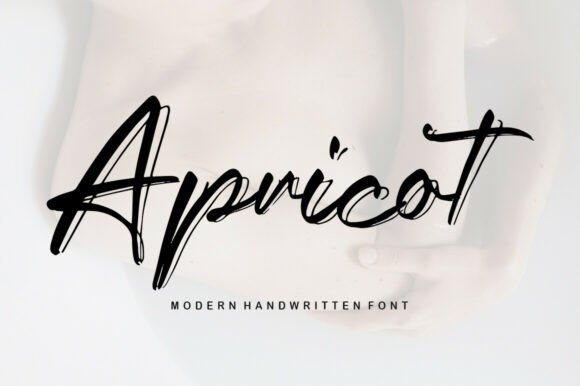
Apricot: A Handwritten Font with Timeless Calligraphic Style
When you're working on a project that needs a touch of elegance without feeling stuffy, the right typeface can make all the difference. Apricot is a premium font that walks this line beautifully. It’s a handwritten font that draws clear inspiration from classic calligraphy, but it has a fresh, contemporary feel that keeps it from looking old-fashioned. The letterforms are impeccably crafted—each curve and connection is balanced and intentional. This isn't a casual, messy script; it's a polished creative font designed to add sophistication and personality to your work.
What sets Apricot apart is its versatility in tone. It can feel romantic and gentle for a wedding invitation, or stylish and confident for a boutique brand. The visual hierarchy it creates is strong, making it ideal for headlines, logos, and short blocks of text where you want to draw the eye. Because it's a display font, it's meant to be used at larger sizes where its details can shine. Trying to use it for long paragraphs of body copy would compromise readability, but as a headline or accent font, it's incredibly effective.
Where Apricot Truly Shines: Practical Applications
Think about the projects where you need to make an immediate emotional connection. For logo design, Apricot can give a brand an instant sense of artisanal quality, creativity, and approachability. It’s perfect for lifestyle brands, bakeries, boutique shops, wellness coaches, or any business that wants to feel personal and handcrafted. In packaging design, it can elevate a product on the shelf, suggesting care and quality before the customer even reads the description.
In the digital space, Apricot works wonderfully for social media graphics. A quote card, a promotional announcement, or a story highlight cover set in Apricot will stop the scroll because it feels human and intentional. For web design, it’s best used sparingly—think a hero headline, a call-to-action button, or a special promotional banner. Pairing it with a clean sans serif font for body text creates a beautiful contrast that’s both stylish and easy to read. For editorial design, like magazine features or blog post titles, it adds a layer of artistic flair that engages readers.
Integrating Apricot into Your Brand Identity
Choosing a font for your brand identity is a strategic decision. Apricot communicates specific values: creativity, elegance, personal touch, and a sense of care. If your brand’s voice is friendly, artistic, or premium in a boutique way, this font could be a perfect match. However, if your brand is corporate, technical, or needs to convey maximum clarity at very small sizes (like in dense legal text), a serif font or sans serif font might be a better foundation, with Apricot used only for accents.
One of the most practical features of Apricot is that it’s PUA encoded. This means all the extra glyphs, swashes, and stylistic alternates are easily accessible without needing specialized design software. You can use the Character Map on Windows or Font Book on a Mac to explore and use these decorative elements. This allows for a high degree of customization. You can make a headline feel even more unique by swapping in a swashed capital letter or a special ligature, ensuring your design assets feel truly one-of-a-kind.
A Designer’s Guide to Using Apricot Effectively
Before you commit, always test the font in context. Type out your actual business name, a key headline, or a promotional phrase. Does it feel right for your project’s mood? Check the readability at the size you intend to use it. While it’s clear at display sizes, extremely intricate swashes might get lost if used too small.
Think about font pairing. Apricot, as a script font, needs a stable partner. A geometric or humanist sans serif font like Montserrat, Lato, or Open Sans often works well, providing a clean, modern counterpoint. A simple, sturdy serif font like Lora or Merriweather can also create a classic, elegant pairing. The goal is contrast in style but harmony in overall feel.
Finally, consider the licensing. If you're using Apricot for a client project, merchandise, or any commercial use, ensure you have the appropriate commercial font license. Most premium fonts come with clear licensing tiers. Using a font correctly protects your work and respects the type designer’s craft.
In the end, Apricot is more than just a pretty typeface. It’s a versatile tool in your modern typography toolkit. When used thoughtfully, it can significantly enhance audience engagement, strengthen brand recognition, and add that crucial layer of professionalism and personality that makes a project memorable. It’s about finding the right tool for the right job, and for many creative endeavors, Apricot is exactly that.